Home security cameras have become one of the most popular ways for homeowners to protect their property. From video doorbells to complete surveillance systems, today’s cameras offer more visibility and control than ever before.
But despite their growing popularity, there are still plenty of misconceptions about what security cameras can and can’t do.
Many homeowners assume that simply installing a few cameras is enough to fully protect their property. The reality is that cameras are incredibly valuable tools, but only when they’re properly selected, installed, and integrated into an overall security strategy.
Let’s separate fact from fiction by looking at seven of the most common home security camera myths.
Myth #1: Security Cameras Prevent All Crime
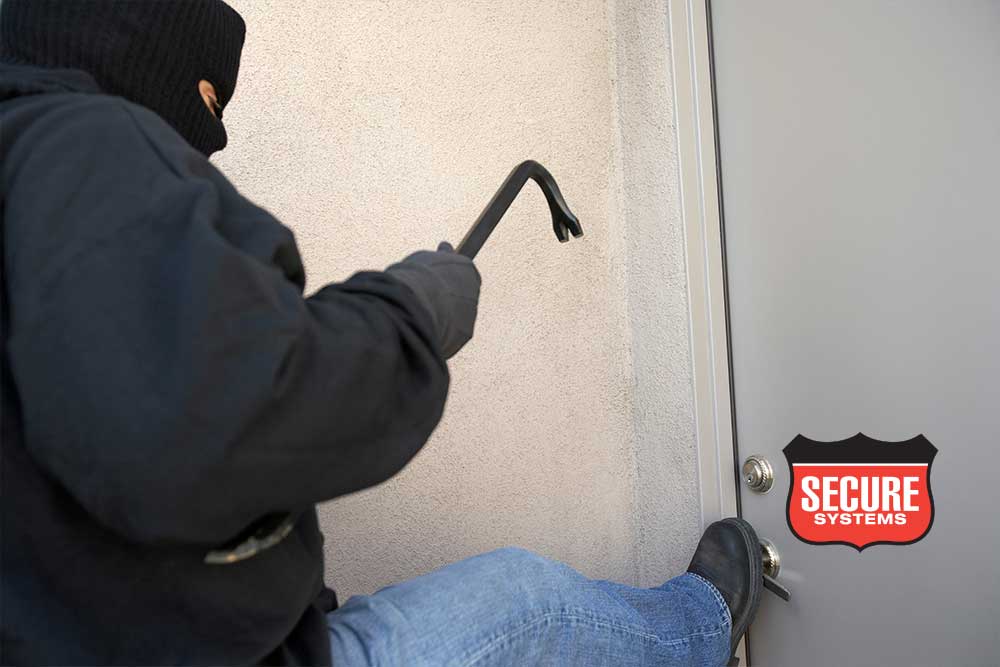
One of the biggest misconceptions about security cameras is that their presence alone will stop criminals from targeting a property.
While visible cameras can certainly discourage unwanted activity, they don’t guarantee that a crime won’t occur. Some criminals may move on when they see surveillance equipment, while others may still attempt a break-in if they believe they can avoid identification.
Security cameras are most effective when paired with other security measures such as alarm systems, motion lighting, smart locks, and professional monitoring. Together, these layers create a stronger defense than any single device can provide on its own.
Myth #2: All Security Cameras Are Basically the Same
A quick online search reveals hundreds of camera options ranging from inexpensive DIY models to professionally installed surveillance systems.
Many homeowners assume that every camera offers similar performance, but that’s far from the truth.
Differences in image quality, night vision, field of view, durability, storage options, cybersecurity protections, and smart detection capabilities can significantly impact performance.
Professional-grade camera systems are designed for long-term reliability and often provide clearer footage, better low-light performance, and more advanced features than entry-level consumer products.
Myth #3: Wireless Cameras Never Have Reliability Issues
Wireless cameras have made home security more accessible than ever. However, many people assume that wireless means flawless.
Like any connected device, wireless cameras depend on network performance. Weak Wi-Fi signals, internet outages, bandwidth limitations, and power interruptions can all affect reliability.
That’s why professionally designed security systems often evaluate network coverage and may recommend hardwired solutions for critical camera locations. A stable connection is essential for consistent recording and dependable performance.
Myth #4: Security Cameras Record Everything All the Time
Many homeowners believe their cameras are continuously recording every second of every day.
In reality, recording behavior varies by system.
Some cameras only record when motion is detected. Others store footage for a limited period before automatically overwriting older recordings. Storage capacity, recording settings, and retention policies all influence how much footage is available when you need it.
Understanding how your camera system records and stores video is just as important as selecting the camera itself.
Myth #5: More Cameras Always Mean Better Security
It’s easy to assume that adding more cameras automatically creates a more secure home.
The truth is that placement often matters more than quantity.
A few strategically placed cameras covering key entry points, driveways, and vulnerable areas can provide far greater protection than numerous cameras positioned without a plan.
Professional security design focuses on eliminating blind spots, maximizing visibility, and capturing useful footage rather than simply increasing camera count.
Myth #6: Security Cameras See Perfectly at Night
Night vision technology has improved dramatically over the years, but many homeowners expect crystal-clear nighttime footage under every condition.
The reality is that lighting conditions, weather, distance, camera quality, and lens placement all affect image clarity after dark.
A properly designed surveillance system takes these factors into account by selecting cameras with strong low-light performance and positioning them where they can capture the most useful images during nighttime hours.
Myth #7: Once Installed, Security Cameras Don’t Need Maintenance
Many people think security cameras can be installed and forgotten.
Like any technology, cameras perform best when they receive occasional attention.
Dirty lenses, outdated firmware, storage issues, damaged wiring, and changing environmental conditions can all affect performance over time.
Routine inspections and system checks help ensure your cameras continue recording properly and are ready when you need them most.
What Security Cameras Do Best
Despite these common myths, security cameras remain one of the most effective tools available for protecting a home.
Modern surveillance systems can help homeowners:
- Monitor activity around their property
- Receive real-time alerts
- Deter unwanted visitors
- Review recorded footage
- Check on deliveries and visitors
- Gain peace of mind while away from home
The key is understanding that cameras work best as part of a complete security strategy rather than as a standalone solution.
Choosing the Right Home Security Camera System
Every home has different security needs.
Factors such as property size, lighting conditions, entry points, network infrastructure, and homeowner goals all play a role in determining the right camera system.
Working with an experienced security provider can help ensure your cameras are properly positioned, configured, and integrated with other security technologies for maximum effectiveness.
The Key Takeaway
Security cameras have transformed the way homeowners protect their properties, but they aren’t magic devices that eliminate every security risk.
Understanding their capabilities and limitations is the first step toward building a safer home.
By avoiding these common myths and investing in a professionally designed security solution, homeowners can enjoy better visibility, stronger protection, and greater confidence in their overall security strategy.
If you’re considering upgrading your home’s surveillance system, My Secure Systems can help you design a security camera solution tailored to your property’s unique needs.