California fire inspections play a critical role in protecting lives, property, and business continuity. For commercial buildings, schools, healthcare facilities, warehouses, and multi-location organizations, fire inspections are not optional checkboxes. They are legally enforced safety evaluations that directly impact occupancy status, insurance coverage, and operational risk.
As California fire codes continue to evolve and enforcement becomes stricter, businesses that fail to stay inspection-ready face fines, shutdowns, and costly corrective actions.
What Is a California Fire Inspection?
A California fire inspection is a formal review conducted by a local fire authority to ensure a building complies with the California Fire Code (CFC) and applicable local amendments. Inspections are typically enforced by city or county fire departments in coordination with CAL FIRE.
Fire inspections may occur:
-
Annually, semi-annually, or quarterly
-
After construction, tenant improvements, or system upgrades
-
Before issuing or renewing occupancy permits
-
Following complaints, incidents, or code updates
Many businesses underestimate how frequently inspections occur or how detailed they have become.
Why Do Fire Inspections Matter More in California?
California presents a higher-risk fire environment than most states. Several factors elevate enforcement and scrutiny:
-
Increased wildfire exposure across urban, suburban, and rural areas
-
More stringent state and local fire codes
-
Greater focus on life-safety compliance in commercial properties
-
Stronger alignment between inspections and insurance underwriting
In California, fire inspections are designed to confirm that buildings meet modern safety standards, not just the requirements in place when they were originally built.
What Do Inspectors Look for During a Fire Inspection?
Fire inspections evaluate both systems and behavior. The most common inspection focus areas include:
Fire Alarm Systems
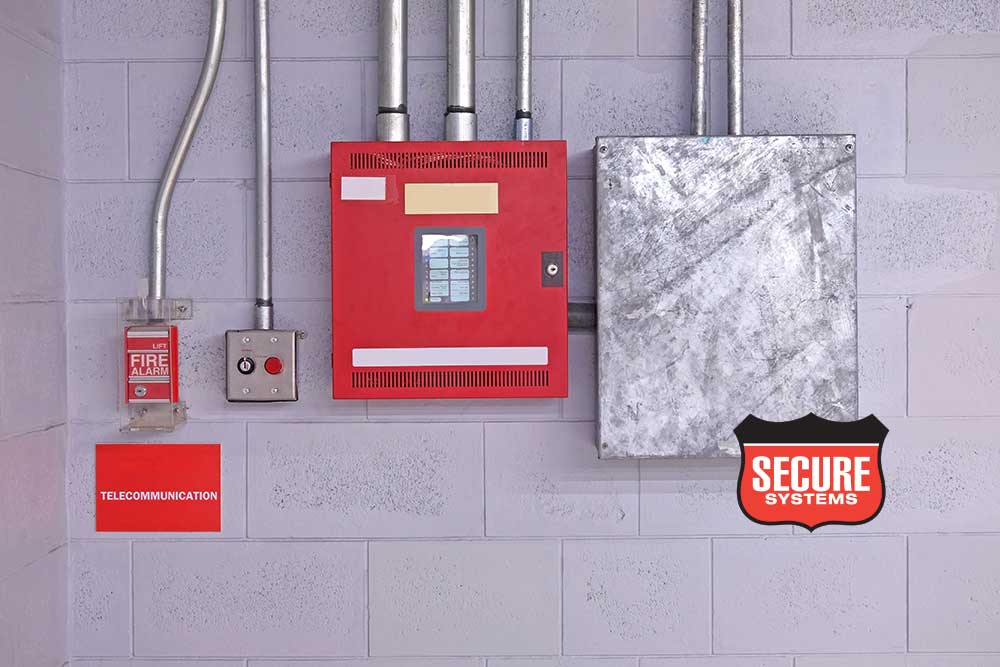
Inspectors verify that fire alarm systems are properly installed, tested, monitored, and documented. Common violations include outdated panels, missing inspection reports, and unmonitored alarms.
Fire Sprinkler Systems
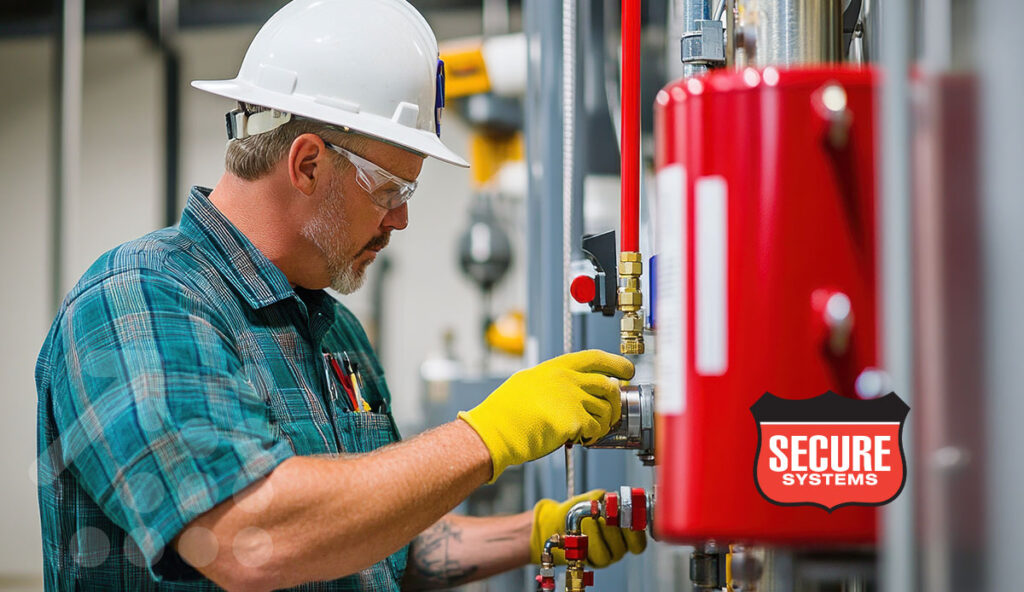
Sprinkler systems must be fully operational with accessible control valves, proper pressure, and current inspection tags. Even a closed valve can result in a serious violation.
Fire Extinguishers
Fire extinguishers must be correctly placed, fully charged, inspected on schedule, and appropriate for the hazards present. Expired or blocked extinguishers are among the most cited issues.
Exit Routes and Emergency Lighting
Blocked exits, missing signage, non-functional emergency lighting, and locked egress doors are immediate life-safety concerns and frequent causes of inspection failure.
Electrical and Mechanical Rooms
Improper storage, lack of clearance, and exposed wiring are common violations. These rooms are high-risk ignition zones and receive close scrutiny.
Fire Doors and Fire Barriers
Fire-rated doors must close and latch properly. Breached fire walls, damaged seals, or propped doors compromise compartmentalization and fail inspection.
What Are The Consequences of Failing a California Fire Inspection?
Failing a fire inspection often triggers more than a correction notice. Potential consequences include:
-
Monetary fines and reinspection fees
-
Mandatory system upgrades under compressed timelines
-
Delays or suspension of occupancy permits
-
Increased insurance premiums or coverage issues
-
Partial or full business shutdowns until violations are resolved
For regulated environments such as healthcare facilities, schools, and manufacturing plants, inspection failures can also impact licensing and compliance audits.
Fire Inspections and Insurance Compliance
Insurance carriers increasingly require proof of fire inspection compliance. Many policies now depend on documented system testing, inspection reports, and ongoing maintenance records.
Failure to comply may result in:
-
Policy non-renewal
-
Reduced coverage or exclusions
-
Higher deductibles and premiums
Fire inspections are now a core component of risk management, not just regulatory compliance.
Proactive Fire Inspection Readiness
The most effective way to pass fire inspections is to stay inspection-ready year-round. Proactive compliance includes:
-
Routine internal safety walkthroughs
-
Scheduled fire alarm and sprinkler testing
-
Organized inspection and maintenance documentation
-
Partnering with a licensed fire and life safety provider
This approach minimizes disruptions, reduces costs, and builds credibility with inspectors.
How Secure Systems Supports Fire Inspection Compliance in California
Secure Systems helps California businesses prepare for and pass fire inspections through:
-
Fire alarm system installation, monitoring, and testing
-
Fire sprinkler inspection coordination and compliance reporting
-
Pre-inspection code assessments to identify risks early
-
Ongoing system maintenance and documentation management
The objective is simple: eliminate surprises on inspection day.
Final Thoughts
California fire inspections exist because fire risk is real, enforcement is strict, and non-compliance has immediate consequences. Staying compliant protects people, property, insurance coverage, and business operations.
If your facility has not reviewed its fire safety systems recently, the risk is no longer theoretical. It is enforceable, measurable, and increasingly costly to ignore.

- Why Businesses Are Integrating Cameras, Access Control, and Security Systems - March 30, 2026
- Why Alarm Systems Are Still Relevant in the Age of Cameras - March 15, 2026
- 2026 Home Security Trends: What Homeowners Should Expect - January 26, 2026